
Design Trends Defining Creative Industries
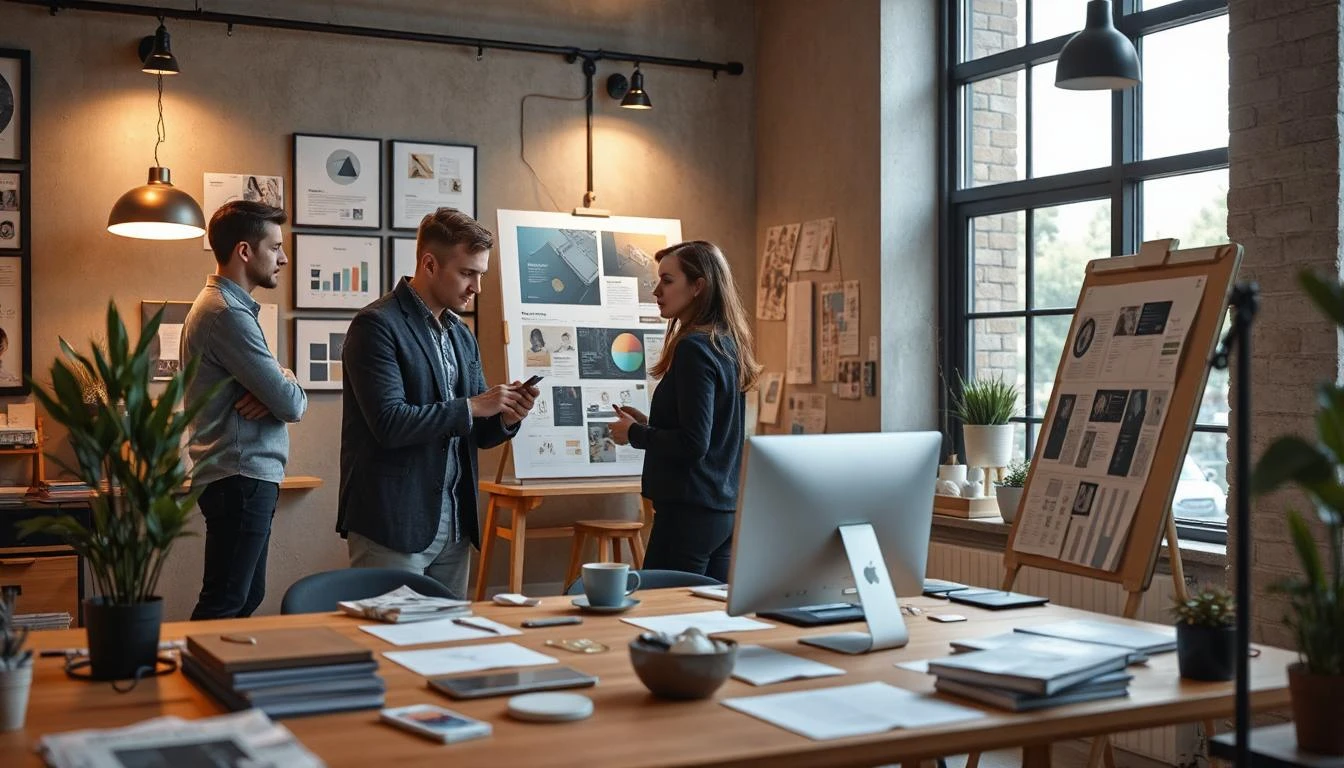
The creative landscape is evolving faster than ever, reshaping how brands communicate, how audiences engage with content, and how businesses compete in global marketplaces. From emerging technologies to shifting consumer expectations, design is no longer just about aesthetics—it has become a powerful tool for influencing decisions, building trust, and creating memorable experiences. If you have ever wondered why some brands instantly capture attention while others struggle to stand out, the answer often lies in how effectively they embrace change.
Today, design trends industries are adopting reveal far more than visual preferences. They reflect deeper transformations in digital commerce, consumer behavior, and creative innovation. As marketplaces become increasingly competitive worldwide, understanding these developments can help businesses, designers, and entrepreneurs stay ahead of the curve while creating experiences that resonate with modern audiences.
Modern Visual Design Approaches
The visual language of today's digital world is constantly changing. Consumers are exposed to countless messages every day, making it more challenging for brands to capture attention and maintain engagement. This is where creative industries trends play a critical role, helping organizations develop compelling visual strategies that connect with audiences and support long-term growth.
Minimalist Design Concepts
Minimalist design continues to dominate creative sectors because it prioritizes clarity and functionality. Rather than overwhelming users with excessive visual elements, minimalist layouts focus attention on what truly matters. Clean interfaces, strategic use of white space, and intuitive navigation create a smoother experience that encourages users to explore further.
In global marketplaces, minimalist design often translates into improved usability and stronger conversion rates. By removing distractions, businesses can guide users toward meaningful actions while reinforcing a professional and trustworthy brand image.
Bold Typography Trends
Typography has become a defining element of modern design. Large fonts, expressive typefaces, and creative text compositions are increasingly used to communicate personality and establish brand recognition. Typography no longer serves only as a vehicle for information; it has become a visual statement in its own right.
According to renowned branding expert Alina Wheeler, "Design is intelligence made visible." This perspective highlights how typography can communicate complex ideas instantly while creating memorable experiences that resonate with audiences long after they leave a website or marketplace.
Dynamic Visual Storytelling
Storytelling remains one of the most effective ways to build emotional connections with audiences. Today, designers combine animation, video, motion graphics, and interactive content to create immersive narratives that keep users engaged.
Dynamic visual storytelling helps brands transform information into experiences. Whether showcasing products, customer journeys, or marketplace innovations, engaging visual narratives make content easier to understand and more likely to be remembered.
User Experience And Interface Innovation
Visual appeal may attract attention, but user experience determines whether visitors stay or leave. As digital interactions become more sophisticated, businesses must prioritize seamless functionality alongside attractive design to meet evolving customer expectations.
Responsive Design Principles
Responsive design has become essential in a world where users switch constantly between smartphones, tablets, laptops, and other connected devices. A responsive interface ensures that content remains accessible, functional, and visually appealing regardless of screen size.
Organizations that invest in responsive design often experience higher engagement rates because users can interact with content effortlessly. This consistency is particularly important for global marketplaces that serve diverse audiences across multiple regions and devices.
Interactive User Journeys
Modern consumers expect personalized and engaging experiences. Interactive user journeys leverage behavioral insights, customized recommendations, and intuitive navigation paths to create experiences tailored to individual needs.
Imagine visiting a marketplace where every product suggestion feels perfectly aligned with your interests. This level of personalization is increasingly achievable through data-driven design approaches and advanced user experience strategies that anticipate consumer behavior before a purchase decision is made.
Accessibility Focused Design
Accessibility is no longer a secondary consideration. Inclusive design practices ensure that digital experiences remain usable for people with varying abilities and circumstances. Features such as scalable text, keyboard navigation, alternative text descriptions, and high-contrast interfaces improve usability for everyone.
When accessibility becomes a design priority, businesses not only expand their audience reach but also strengthen trust and credibility. Inclusive experiences often lead to greater customer satisfaction and stronger long-term engagement.
Creative Industry Design Evolution
Design is evolving beyond visual presentation and user interaction. Today, creative professionals are exploring new ways to integrate sustainability, artificial intelligence, and collaborative innovation into their workflows, creating entirely new possibilities for growth and transformation.
Sustainable Design Practices
Consumers are increasingly drawn to brands that demonstrate environmental responsibility. Sustainable design practices focus on reducing waste, optimizing resources, and creating solutions that deliver long-term value without unnecessary environmental impact.
From eco-conscious packaging to energy-efficient digital experiences, sustainability has become a defining characteristic of forward-thinking organizations. Businesses that embrace these principles often benefit from stronger customer loyalty and enhanced brand reputation.
AI Enhanced Creative Processes
Artificial intelligence is transforming creative workflows across industries. Rather than replacing human creativity, AI acts as a powerful collaborator that helps designers generate ideas, analyze trends, automate repetitive tasks, and improve efficiency.
Industry visionary John Maeda once noted that "Design isn't finished until somebody is using it." This insight remains highly relevant as AI-powered tools help creative teams focus on developing meaningful experiences that deliver value to real users while accelerating production timelines.
Collaborative Design Ecosystems
The modern creative process rarely happens in isolation. Designers, developers, marketers, analysts, and business leaders increasingly work together within collaborative ecosystems that encourage innovation and faster decision-making.
These connected environments allow teams to share insights, streamline workflows, and create more comprehensive solutions. As marketplaces continue expanding globally, collaborative design ecosystems help organizations adapt more quickly to changing consumer expectations and market demands.
Discover The Latest Design Trends Today
As creative industries continue evolving, the organizations that thrive will be those willing to embrace innovation while remaining focused on user needs. The intersection of technology, sustainability, accessibility, and creative thinking is shaping the future of design in ways that were difficult to imagine only a few years ago.
The most successful brands understand that design is not simply about appearance. It is about creating meaningful experiences, building trust, and delivering value at every touchpoint. As new trends emerge and consumer expectations continue to rise, staying informed becomes a competitive advantage rather than an option.
If you want to remain relevant in an increasingly competitive marketplace, now is the perfect time to explore how these design trends can transform your strategy and inspire your next creative breakthrough.